
3.1 Your practice site
Pick one piece of land and get to know it well enough to plan for it.
1. Assess your site
Before you make a single decision about what to plant, how to manage, or what outcome to aim for, you need to understand what you are working with. A site assessment is the foundation of every restoration project.
Read
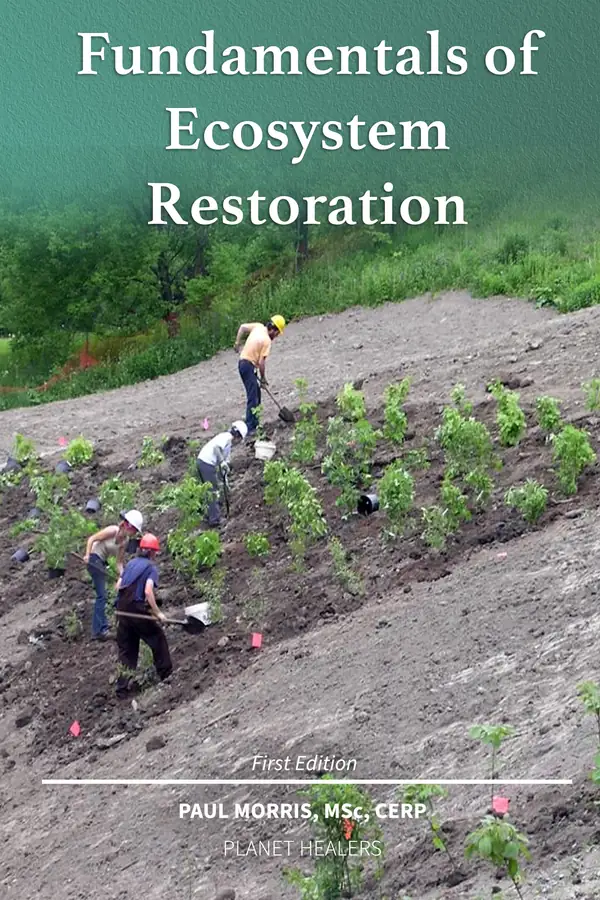
Fundamentals of Ecosystem Restoration: Practice, Chapter 53
Watch
https://www.youtube.com/watch?v=wUy5BYv9iuQ
Do
Set up your practice site as a project in the app. Then check the four things the chapter lists: soil, water, vegetation, and what surrounds the site. Write one finding for each.
2. Find your reference
Every restoration project needs a destination. The reference ecosystem is that destination: a model of what your site should look like when the work is done, rather than a place you will duplicate exactly.
Read
Fundamentals of Ecosystem Restoration: Practice, Chapter 54
Watch
https://www.youtube.com/watch?v=WQ2xQ1nNfB0
Do
Visit the best-kept example of the community your site would hold. Write down five species growing there that your site is missing.
3. Set your goals
A restoration project without clear goals is a project without direction. You need to know what you are trying to achieve, at what scale, and over what time frame.
Read
Fundamentals of Ecosystem Restoration: Practice, Chapter 56
Watch
https://www.youtube.com/watch?v=XKJ6REOIjTM
Do
Write one goal for your site, with its scale and time frame. Then write whose values shaped it, and who else should have a say.